Comparing a Scout Carry Knife to Vertical Belt Carry Options
Selecting the right knife carry method affects access, movement, and everyday use. People often select a carry style based on personal habits, clothing choices, and the tasks they perform. A carry method should keep the blade secure while allowingquick access when required. Understanding the strengths of different setups helps users make better choices. Numerousindividuals prefer a Scout Carry Knife because it provides easy access, comfortable wear, and reliable performance outdoors.Both methods offer unique benefits. The accurate selection depends on comfort, speed, concealment, and practical use during everyday actions. Learning these alterations makes selection calmer and more effective.
Traditional Upright Position
Vertical belt carry places the sheath in an upright direction along the side of the waist. This setup keeps the handle facing upward for direct access. It remains one of the most common methods because it follows a familiar and practical design.
Concealment And Visibility
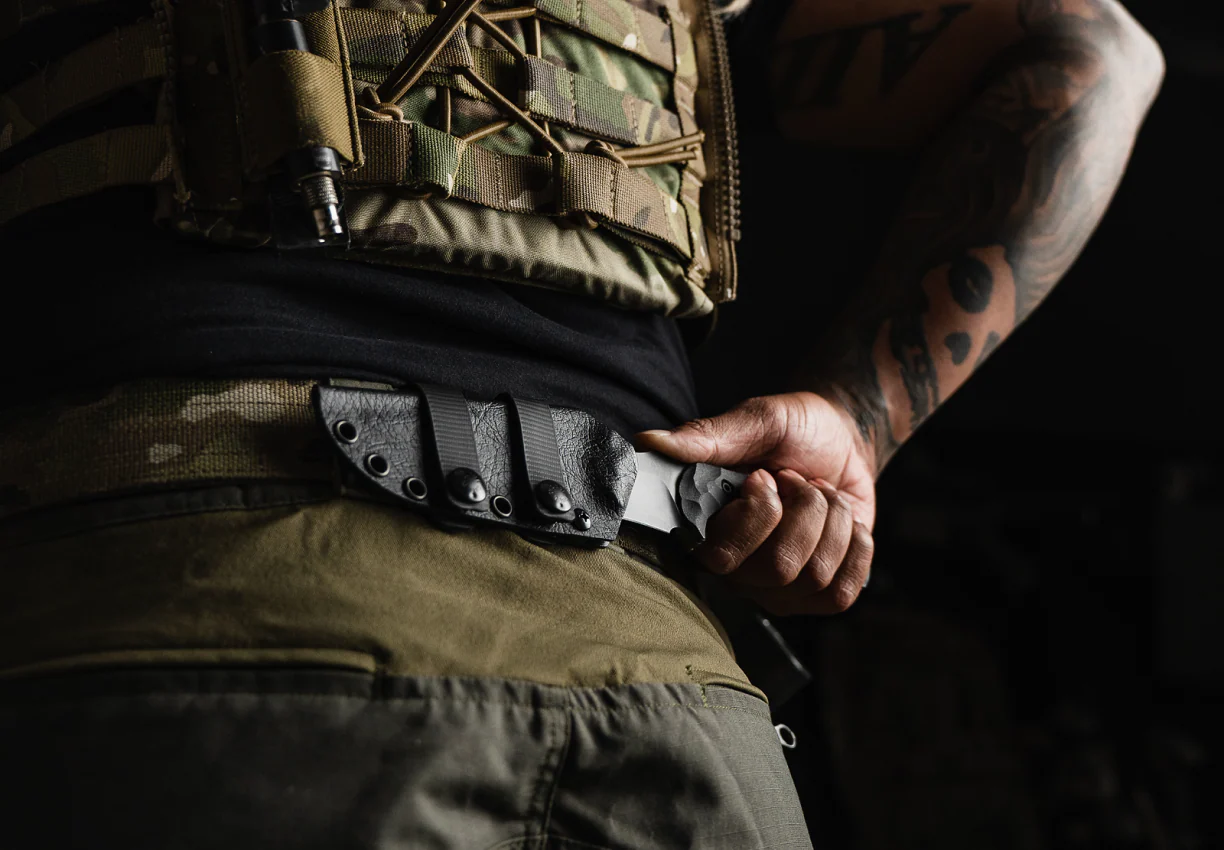
Concealment plays a major role in carry selection. Horizontal positioning often stays hidden beneath outer garments more effectively. Vertical placement may expose more of the handle depending on clothing style. The preferred option depends on how much visibility a user wishes to allow.
Belt Space Requirements
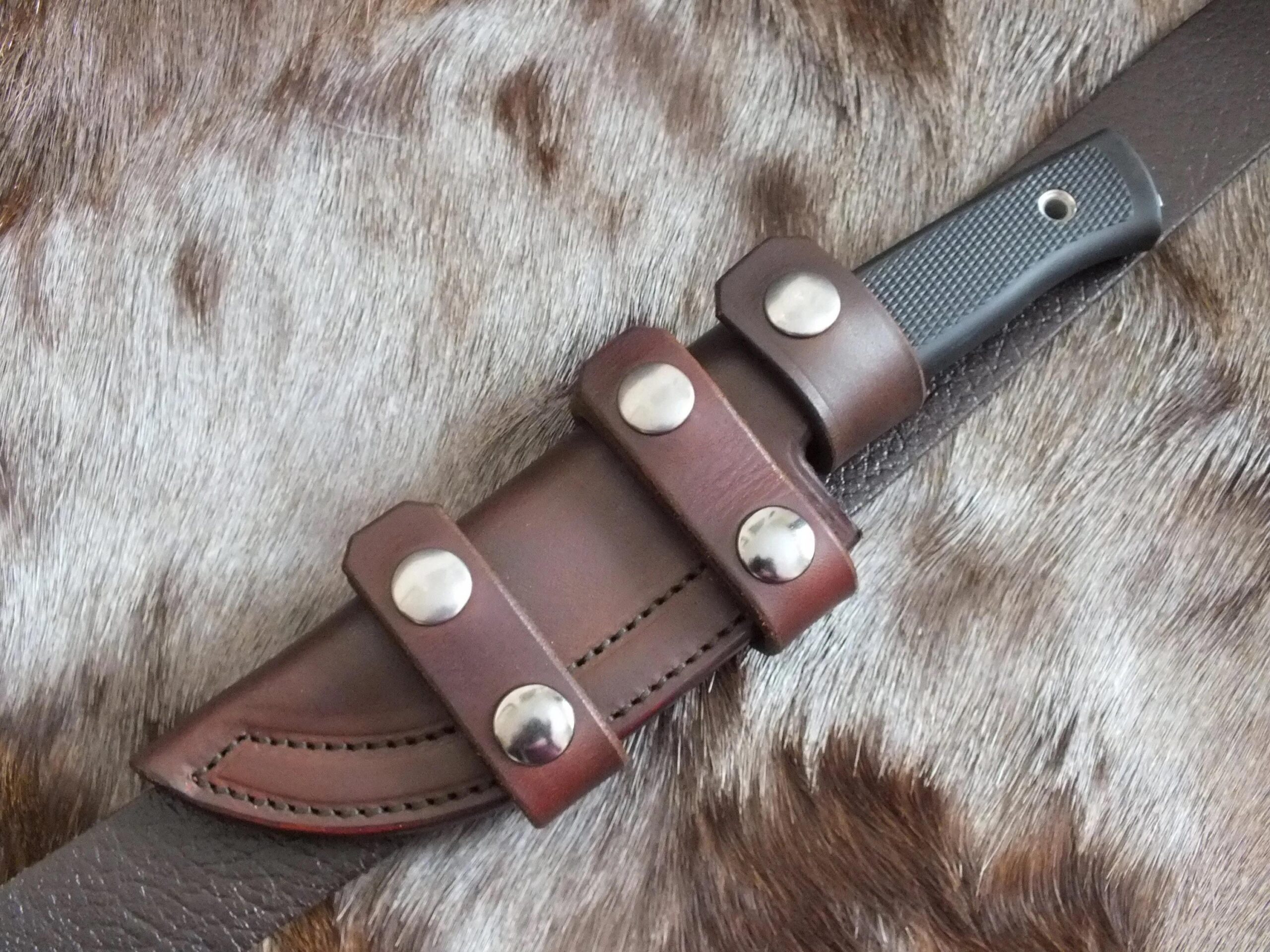
Available belt space can influence overall convenience. Horizontal systems require a wider section of belt attachment. Vertical options usually occupy less width. Users carrying multiple tools may prefer arrangements that leave additional belt room available for other equipment.
| Feature | Horizontal Carry | Vertical Carry |
| Position | Across belt | Upright on belt |
| Access Style | Side draw | Upward draw |
| Visibility | Usually lower | Usually higher |
| Belt Usage | Wider area | Smaller area |
| Movement Feel | Balanced placement | Familiar placement |
Stability While Working
Stability becomes important during active movement. Horizontal placement often reduces swinging because the sheath stays closer to the body. Vertical carry may shift slightly during certain motions. Proper attachment methods improve security regardless of the chosen carry arrangement.
Clothing Compatibility Factors
Different clothing styles affect carry performance. Horizontal placement may work better with longer outer garments. Vertical carry often pairs well with standard clothing arrangements. Matching the carry method to clothing choices helps improve accessibility while maintaining a neat appearance.
Everyday Usage Benefits
Daily users often focus on convenience and accessibility. Some appreciate the discreet nature of horizontal placement. Others value the familiar feel of vertical positioning. Both methods provide dependable performance when selected according to individual preferences and practical requirements.
Key Horizontal Traits
Horizontal carry offers distinct advantages for users seeking balanced placement.
- Keeps the sheath close against the waist area, helping reduce unwanted shifting during active movement periods.
- Supports better concealment beneath outer garments, making daily carry appear less noticeable in common situations.
- Allows smooth side drawing motions, improving accessibility when practiced regularly through routine handling techniques.
Selecting between these methods depends on personal needs rather than trends. Individual routines, preferred clothing, accessibility goals, and movement patterns should guide the decision. Testing each arrangement during normal activities provides useful insight into performance and practicality. Some users value hidden placement while others focus on direct access and familiar handling. The best solution is the one that matches daily requirements without creating inconvenience. A properly chosen setup improves efficiency, supports safer handling, and increases overall satisfaction. For many users, the right Scout Carry Knife arrangement comes from practical testing rather than assumptions.